Question of the Week
Q: What resources do you recommend for our company library as an introduction to Lean or continuous improvement?
A: The online ASQ glossary defines Lean as: Producing the maximum sellable products or services at the lowest operational cost while optimizing inventory levels.
Let's start with Lean Lessons, a regularly featured column in Quality Progress magazine.
Readers of Quality Progress also may remember the Lean Glossary that appeared in the June 2005 issue.
We also recommend these books:
The Quality Toolbox, Second Edition
by Nancy Tague
A comprehensive reference to a variety of quality methods and techniques.
Creating a Lean Culture: Tools to Sustain Lean Conversions
by David Mann
This book provides a practical guide to implementing and sustaining a Lean implementation.
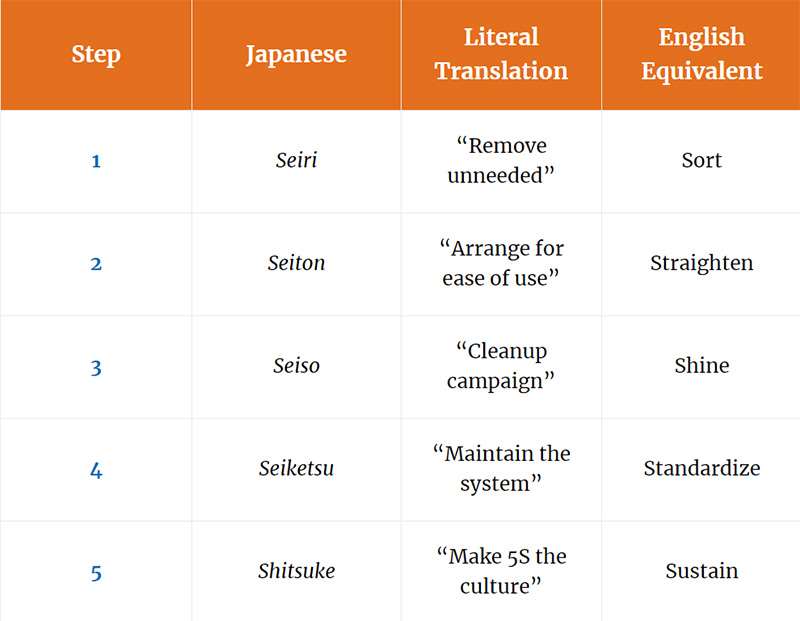
5S for Service Organizations and Offices: A Lean Look at Improvements
by Debashis Sarkar
Immensely practical and hands-on, this book is based on the author’s experience in catalyzing an enterprise-wide 5S implementation in India’s largest private sector bank, spread across more than 700 locations not only in India but also in such places as Canada, Singapore, Dubai, and London.
Made-to-Order Lean
by Greg Lane
Based on Toyota methodology, this book explains how to implement critical adaptations to high-mix, low-volume manufacturing.
Value-Driven Channel Strategy: Extending the Lean Approach
by R. Eric Reidenbach and Reginald W. Goeke
Augmenting Lean thinking with a more robust and substantial customer value basis makes it even more powerful. This book unleashes the principles of Lean thinking as a strategic tool to do just that.
Mapping Work Processes, Second Edition
by Bjørn Andersen, Tom Fagerhaug, Bjørnar Henriksen,
and Lars E. Onsøyen
This peerless best-seller is a hands-on, step-by-step workbook of instructions on how to create flowcharts and how to document work processes.
Process Mapping, Process Improvement, and Process Management: A Practical Guide to Enhancing Work and Information Flow
by Dan Madison
This book explains the evolution of work management styles, from traditional to process-focused, and introduces the tools of process mapping, the roles and responsibilities of everyone in the organization, and a logical ten-step redesign methodology.